LCC International University > News and Events > Study Visit to Sweden: Prison and Probation Systems Exchange
Study Visit to Sweden: Prison and Probation Systems Exchange
2026-02-03
LCC International University > News and Events > Study Visit to Sweden: Prison and Probation Systems Exchange
2026-02-03
As part of the Nordic Council of Ministers–funded mobility project, the Center for Dialogue and Conflict Transformation took part in a study visit to Sweden from January 25 to 29. The visit provided an opportunity to explore the Swedish prison and probation system and to learn directly from professionals and volunteers working in the field of rehabilitation and social reintegration.
During the visit, participants engaged in meetings with practitioners and organizations actively involved in prison volunteering, probation, and community-based support. These exchanges offered practical insights into how rehabilitation is approached in practice, as well as a deeper understanding of the values, structures, and methods that support social reintegration in the Swedish context.
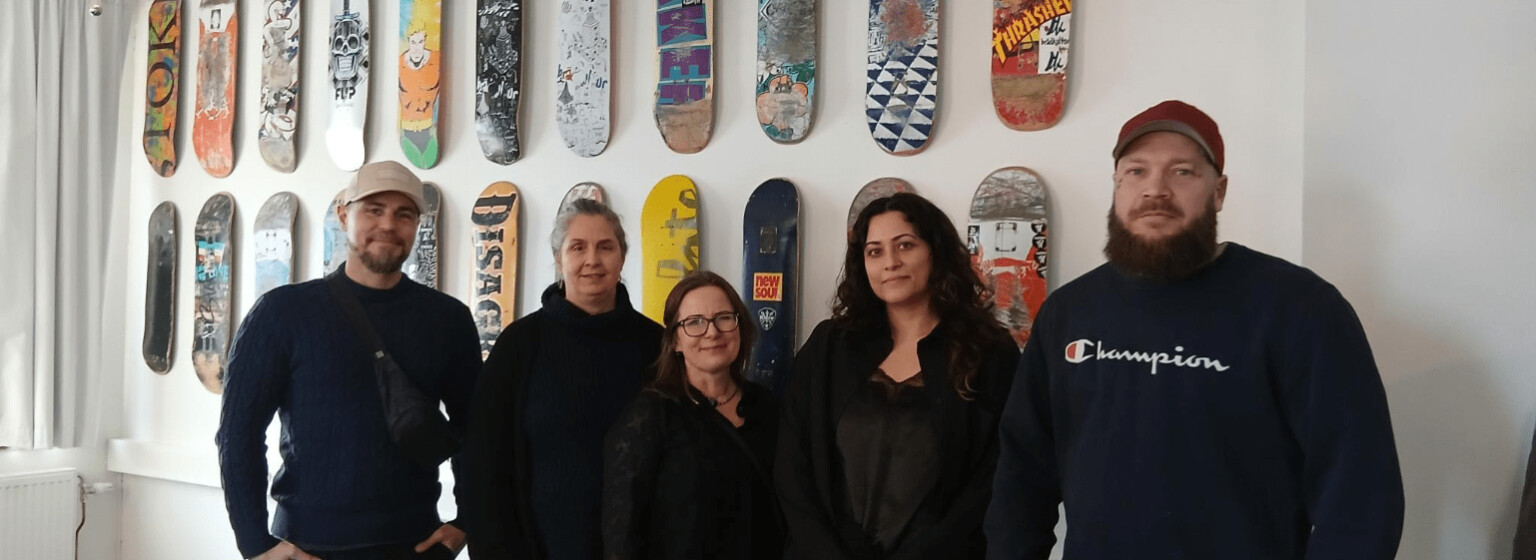
A key element of the visit was meeting partners from Fryshuset, alongside representatives of other Swedish organizations, as well as Lithuanian and Latvian NGOs. Bringing together actors from different countries created space for meaningful exchange of experience, knowledge, and ideas. Participants noted that seeing diverse approaches across national contexts was both enriching and inspiring, highlighting shared challenges as well as innovative solutions.
Reflecting on the experience, Viktoriia Holovchenko, a participant from LCC International University, described the visit as “an amazing and eye-opening experience.” She shared that learning about the Swedish prison and probation system directly from professionals and volunteers was particularly valuable, especially as she had not previously had hands-on exposure to this field. Viktoriia emphasized that meeting organizations making a real social impact and witnessing their dedication in practice was both inspiring and motivating, broadening her perspective on rehabilitation and reintegration work.
This study visit is one of several activities supported by the Nordic Council of Ministers grant. Through the project, we continue to strengthen cross-border cooperation and learning among civil society organizations working in the fields of dialogue, rehabilitation, and social inclusion across the Nordic–Baltic region.
Search LCC
Press ESC key to exit